2026-07-07
IDS vs IPS: What's the Difference?
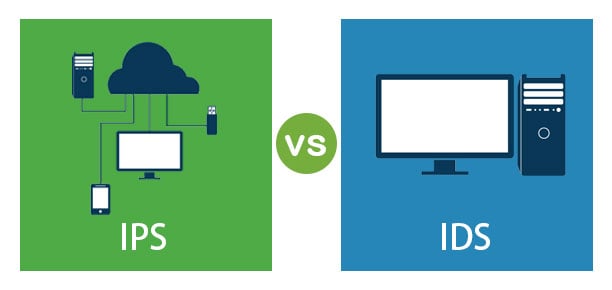
IDS vs IPS: What's the Difference?
When building a secure network, two technologies often come up: Intrusion Detection Systems (IDS) and Intrusion Prevention Systems (IPS). Although they serve similar purposes, they operate in very different ways.
Understanding the distinction is essential for designing an effective cybersecurity strategy.
What Is an IDS?
An Intrusion Detection System continuously monitors network traffic and looks for suspicious activities or known attack signatures.
When an attack is detected, the IDS generates an alert, allowing security administrators to investigate the incident.
An IDS does not block malicious traffic automatically.
Benefits of IDS
- Continuous network monitoring.
- Detailed security logs.
- Low impact on network performance.
- Easy integration with existing infrastructures.
What Is an IPS?
An Intrusion Prevention System performs the same traffic analysis as an IDS but goes one step further.
Instead of simply generating alerts, an IPS can automatically block malicious packets before they reach the target system.
This proactive approach helps reduce the risk of successful cyberattacks.
Benefits of IPS
- Real-time threat prevention.
- Automatic attack blocking.
- Reduced response time.
- Improved network protection.
IDS vs IPS Comparison
| IDS | IPS |
|---|---|
| Detects attacks | Detects and blocks attacks |
| Generates alerts | Takes automatic action |
| Passive monitoring | Active protection |
| Minimal impact on traffic | May introduce slight latency |
Which One Should You Choose?
If your goal is to monitor network activity and collect security information, an IDS is an excellent choice.
If you need automatic protection against known threats, an IPS provides an additional layer of defense.
Many organizations deploy both technologies together to achieve comprehensive network security.
Conclusion
IDS and IPS are complementary technologies rather than competitors. By understanding how each solution works, you can build a stronger, more resilient security infrastructure capable of detecting and preventing modern cyber threats.